
Neolith vs. Dekton: A Certified Installer's Comparison
Short answer: Neolith and Dekton are both premium large-format sintered surfaces, and for most projects either performs superbly. Neolith tends to lead on the range of natural-stone-look designs and slab size; Dekton (by Cosentino) is known for its through-body process and technical warranty. Because Prime Surfaces is a certified installer of both, our recommendation follows the color you love and the application — not a brand allegiance.
By the Prime Surfaces team · Certified installer of Neolith & Dekton
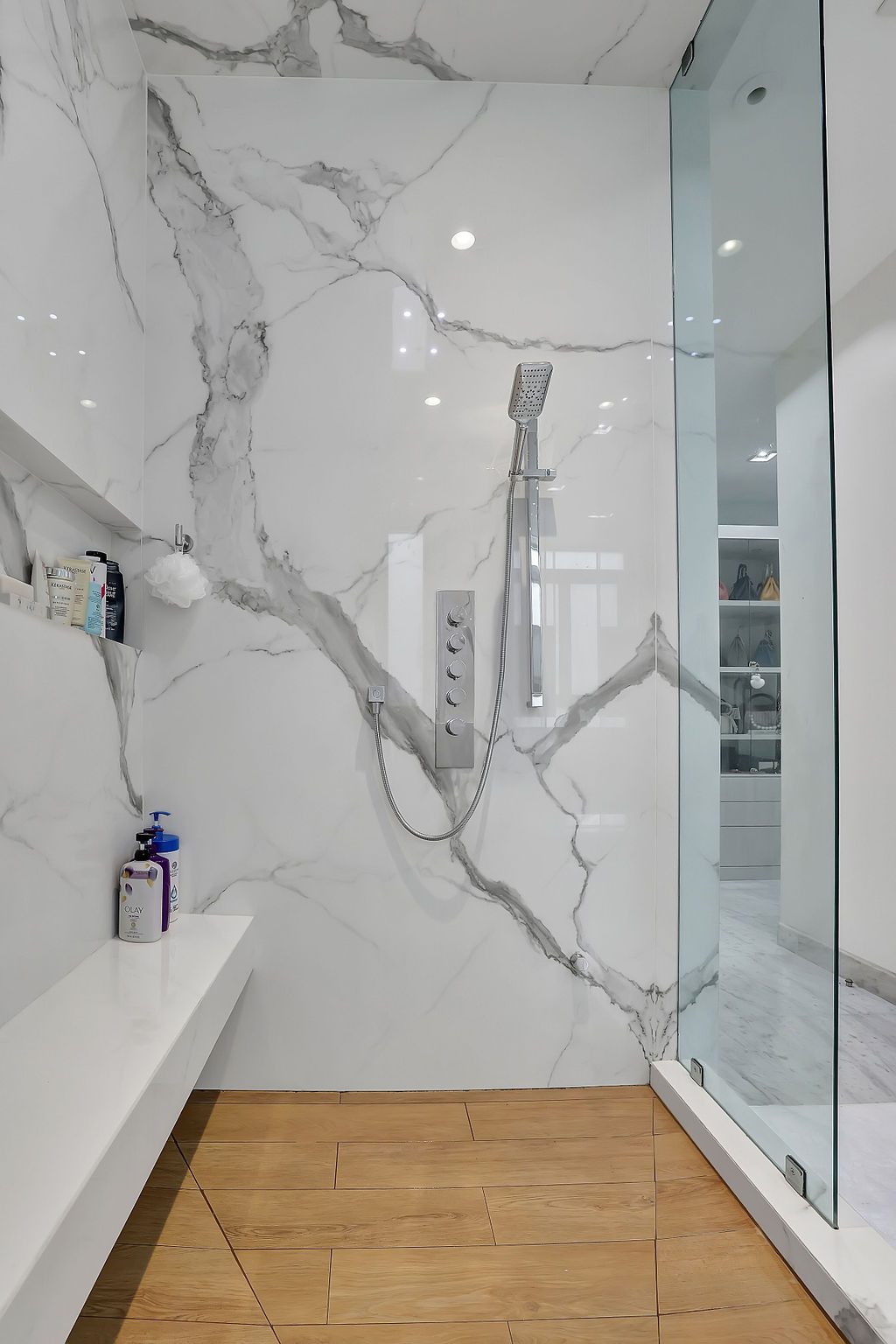
What they have in common
Both are sintered stone: natural minerals fired at very high temperature and pressure into an ultra-compact surface. That means both are non-porous, never need sealing, and are highly resistant to heat, scratches, stains, and UV. Both come in very large, thin slabs, and both are rated for interior and exterior use — countertops, full-height walls, floors, fireplaces, and ventilated façades.
Where they differ
Neolith offers an especially broad palette of realistic marble- and stone-look designs and some of the largest slab formats available, which is why it shows up so often on dramatic full-height walls and façades. Dekton, made by Cosentino, is known for its through-body color technology and a strong technical warranty, and pairs naturally with the wider Cosentino ecosystem. In day-to-day performance the two are very close; the visible difference is usually the specific design and finish, not the brand.
How to choose
Start with the look. Fall in love with a specific slab first — the veining, the color, the finish (polished, silk, or matte) — because that's what you'll live with. Then confirm the format and thickness suit the application (a façade and a waterfall island have different needs). For most clients, the decision lands on a particular Neolith or Dekton color rather than an abstract brand preference. We'll show you both, in the sizes your project needs.
The installation matters more than the badge
Here's the part that gets overlooked: with large-format porcelain, fabrication and installation quality affects the outcome more than the brand on the slab. Both Neolith and Dekton are unforgiving of mishandling, poor support, or a bad seam plan. As a certified installer of both, we bring the tooling and technique that let either material finish flawlessly.
FAQ
Neolith or Dekton — which is better?
Both are excellent large-format sintered surfaces from established brands, and for most projects either will perform beautifully. Neolith often leads on the breadth of natural-stone-look designs and very large slab sizes; Dekton (by Cosentino) is known for its through-body technology and strong technical warranty. The better choice usually comes down to the specific color/finish you love and the application. We install both and will match the material to your project.
Are Neolith and Dekton the same thing?
They're the same category — large-format porcelain / sintered stone — but different manufacturers and slightly different manufacturing processes. Both are non-porous, heat- and scratch-resistant, and rated for interior and exterior use, including façades and outdoor kitchens.
Can both be used for countertops and façades?
Yes. Both Neolith and Dekton are used for countertops, full-height walls, floors, fireplaces, and ventilated façades. Prime Surfaces is a certified installer of both.
Do they scratch or stain?
Both are highly scratch-, stain-, heat-, and UV-resistant and never need sealing. As with any hard surface, use a board for cutting and avoid sustained point impact on unsupported edges. Proper fabrication and support during install matter more than the brand here.
Which is more expensive?
Pricing overlaps heavily and depends far more on the specific design, thickness, and finish than on the brand name. We'll price the exact slab your project calls for.
Choosing between porcelain slabs?
Tell us your project and we'll show you the right Neolith and Dekton options.